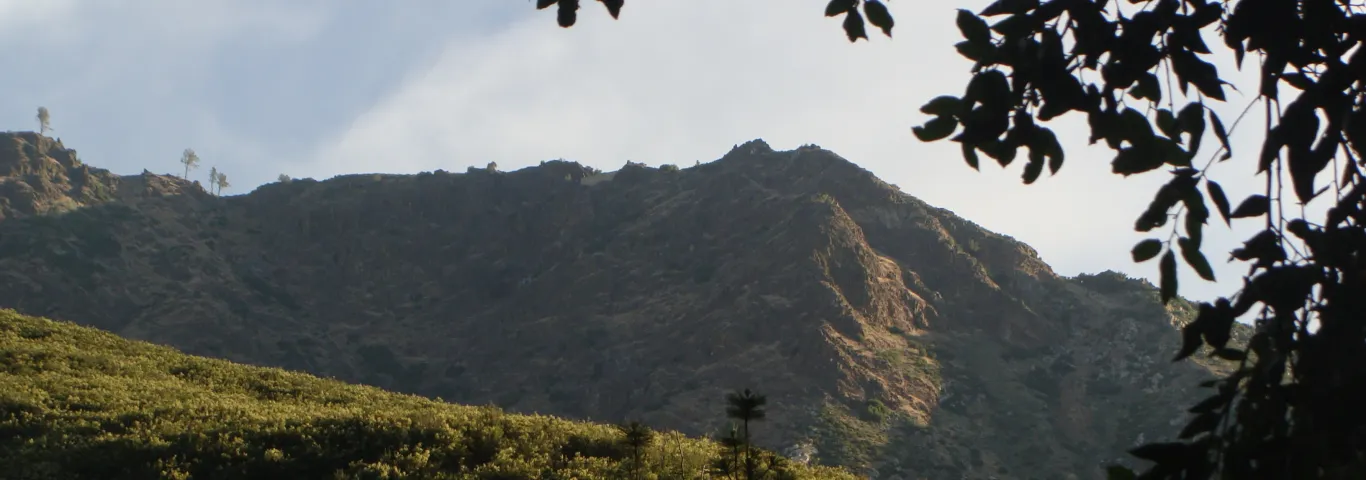
On Location 2025: Dislocated
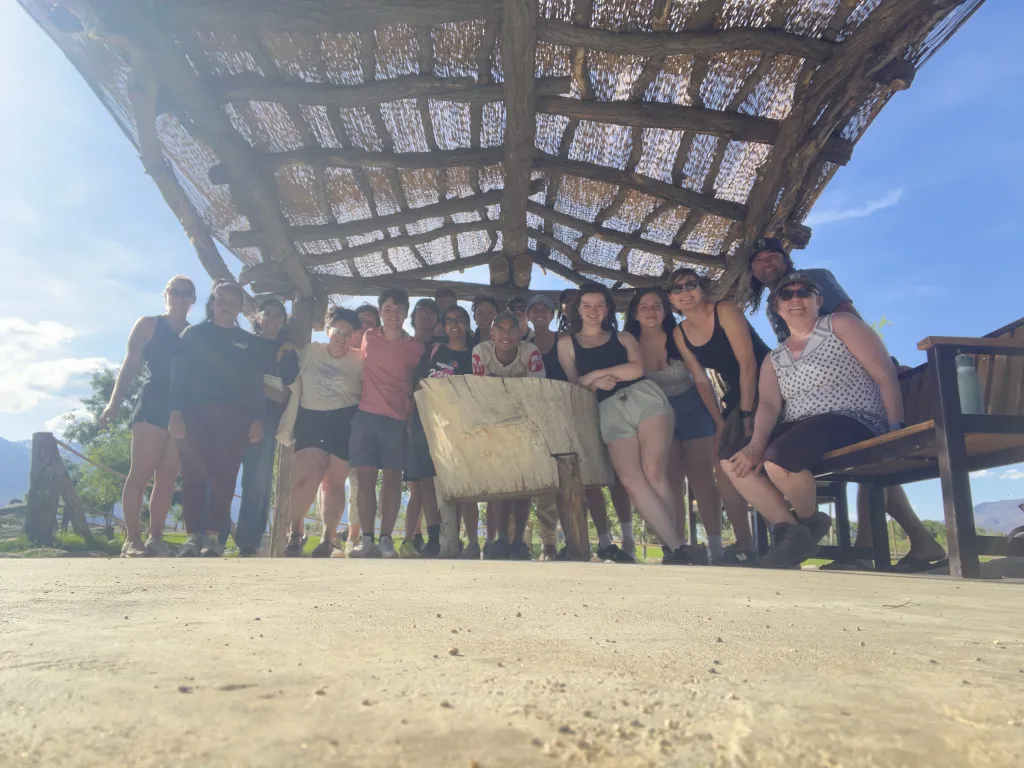
In May 2025, Associate Professor Heidi Aronson Kolk and Associate Professor Kelley Van Dyck Murphy, led a group of graduate and undergraduate students in an On Location course entitled DISLOCATED: Memory, Forgetting, and the Landscapes of Japanese American Incarceration.
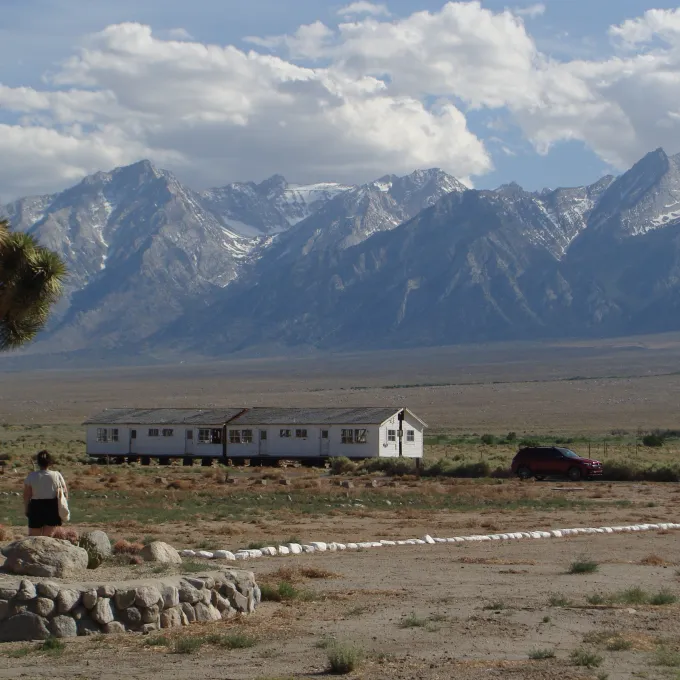
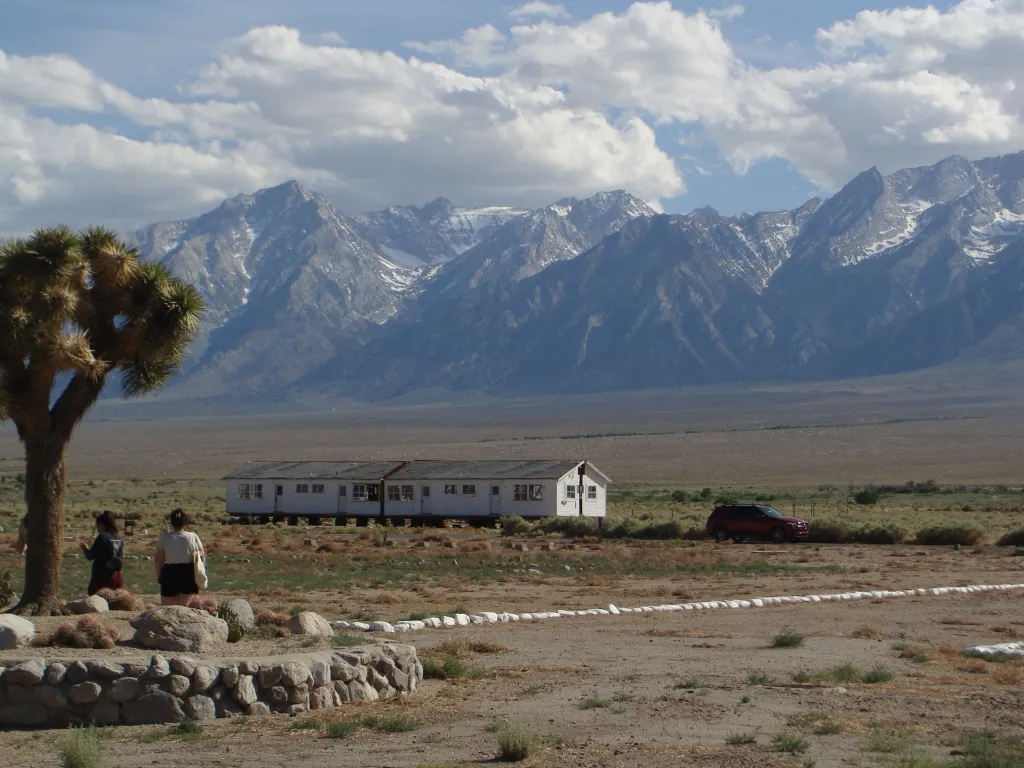
DISLOCATED was a travel-based course that explored that difficult history by means of immersive exploration of the cultural and material landscapes of Japanese American incarceration, giving special attention to the problems of memory associated with these events.

Students spent 17 days in St. Louis and California exploring the marked and unmarked traces of Japanese incarceration during World War II. They explored how memory is erased and forgotten by visiting sites of community resistance, resilience, memory, and memorialization, from revered institutions (e.g. the Japanese American National Museum, National Japanese American Historical Society, and the UC-Berkeley / Bancroft Library) to grass-roots-sponsored initiatives as well as sites and popular heritage / tourist destinations (e.g. Angel Island, Japantown, former Tanforan Assembly Center).
Students heard from artists, architects, and descendants of incarcerated people to examine how people heal from and remember traumatic events, and placed the events of the past into the context of today.

Students spent 17 days in St. Louis and California exploring the marked and unmarked traces of Japanese incarceration during World War 2. They explored how memory is erased and forgotten by visiting sites of community resistance, resilience, memory, and memorialization, from revered institutions (e.g. the Japanese American National Museum, National Japanese American Historical Society, and the UC-Berkeley / Bancroft Library) to grass-roots-sponsored initiatives as well as sites and popular heritage / tourist destinations (e.g. Angel Island, Japantown, former Tanforan Assembly Center). Students heard from artists, architects, and descendants of incarcerated people to examine how people heal from and remember traumatic events, and placed the events of the past into the context of today.

Students spent 17 days in St. Louis and California exploring the marked and unmarked traces of Japanese incarceration during World War 2. They explored how memory is erased and forgotten by visiting sites of community resistance, resilience, memory, and memorialization, from revered institutions (e.g. the Japanese American National Museum, National Japanese American Historical Society, and the UC-Berkeley / Bancroft Library) to grass-roots-sponsored initiatives as well as sites and popular heritage / tourist destinations (e.g. Angel Island, Japantown, former Tanforan Assembly Center). Students heard from artists, architects, and descendants of incarcerated people to examine how people heal from and remember traumatic events, and placed the events of the past into the context of today.

Students spent 17 days in St. Louis and California exploring the marked and unmarked traces of Japanese incarceration during World War 2. They explored how memory is erased and forgotten by visiting sites of community resistance, resilience, memory, and memorialization, from revered institutions (e.g. the Japanese American National Museum, National Japanese American Historical Society, and the UC-Berkeley / Bancroft Library) to grass-roots-sponsored initiatives as well as sites and popular heritage / tourist destinations (e.g. Angel Island, Japantown, former Tanforan Assembly Center). Students heard from artists, architects, and descendants of incarcerated people to examine how people heal from and remember traumatic events, and placed the events of the past into the context of today.

Students spent 17 days in St. Louis and California exploring the marked and unmarked traces of Japanese incarceration during World War 2. They explored how memory is erased and forgotten by visiting sites of community resistance, resilience, memory, and memorialization, from revered institutions (e.g. the Japanese American National Museum, National Japanese American Historical Society, and the UC-Berkeley / Bancroft Library) to grass-roots-sponsored initiatives as well as sites and popular heritage / tourist destinations (e.g. Angel Island, Japantown, former Tanforan Assembly Center). Students heard from artists, architects, and descendants of incarcerated people to examine how people heal from and remember traumatic events, and placed the events of the past into the context of today.
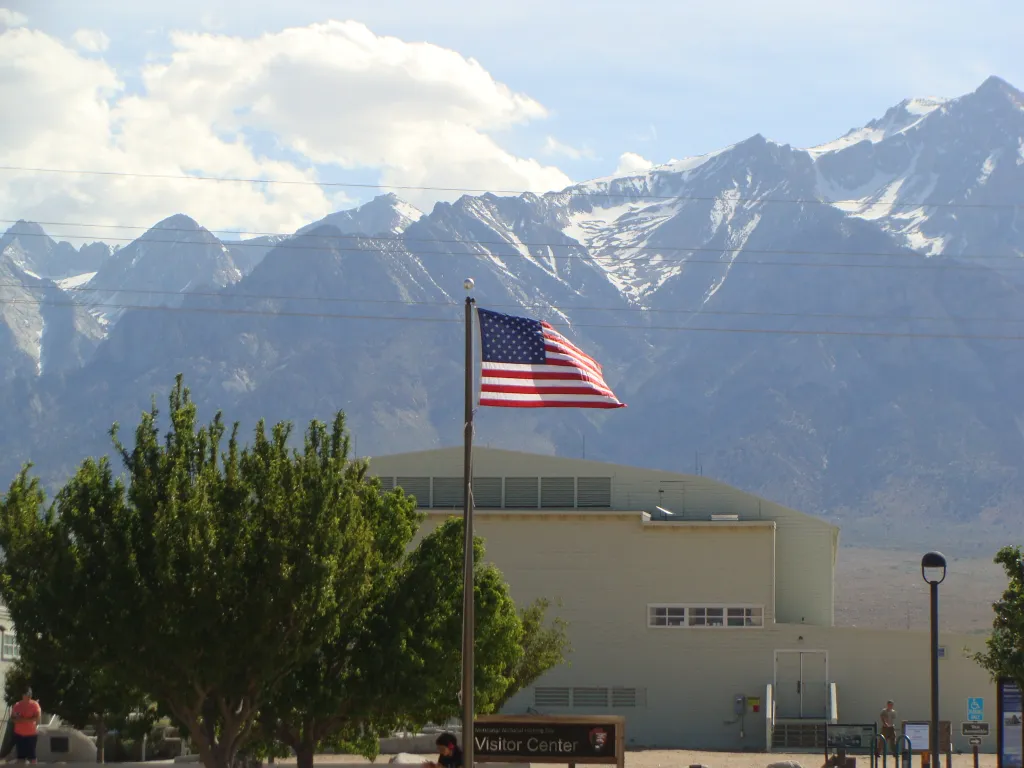
Student Testimonials
"To learn about a space from within it is an opportunity that I will never forget. Understanding history, people, and place, requires an understanding of both space and time. We cannot change the time but we can still learn more by visiting the spaces, and in that, play a part in the preservation of memory in that site. The friends made in the journey there, the community of new memory holders, make it all the more worthwhile” - Jerry Liao, 2026
"Overall, it was such a cool opportunity to experience and I feel so lucky to have been a part of it. It was my first time being west of Missouri, but beyond that, the course was structured so well and having the opportunity to visit historic sites and talk to people in person was a depth of experiential learning that I had never experienced before. I learned so much about Japanese incarceration and as someone who is an aspiring scholar of Asian American history, learning about it was really important. The experiences that I had served as a model as a way I can continue to engage with Asian American Studies." - Subratha Araselvan, 2026

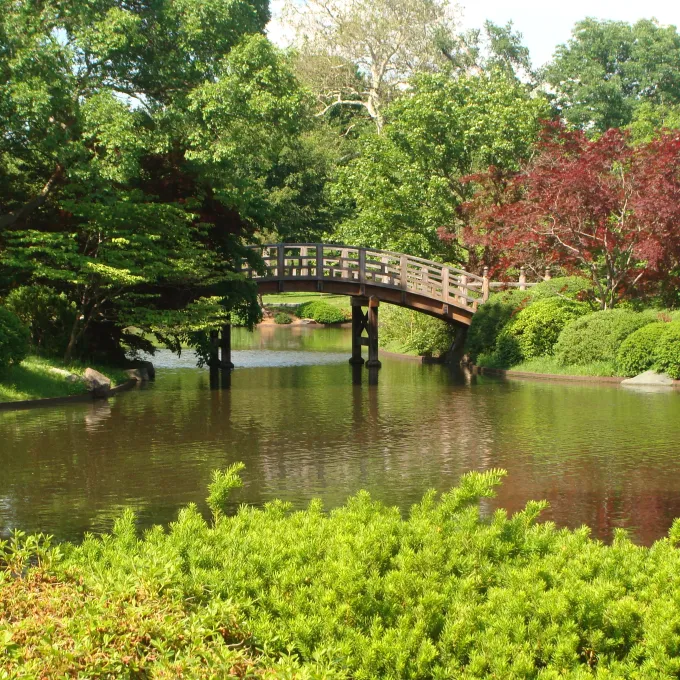
Missouri Botanical Gardens
San Francisco
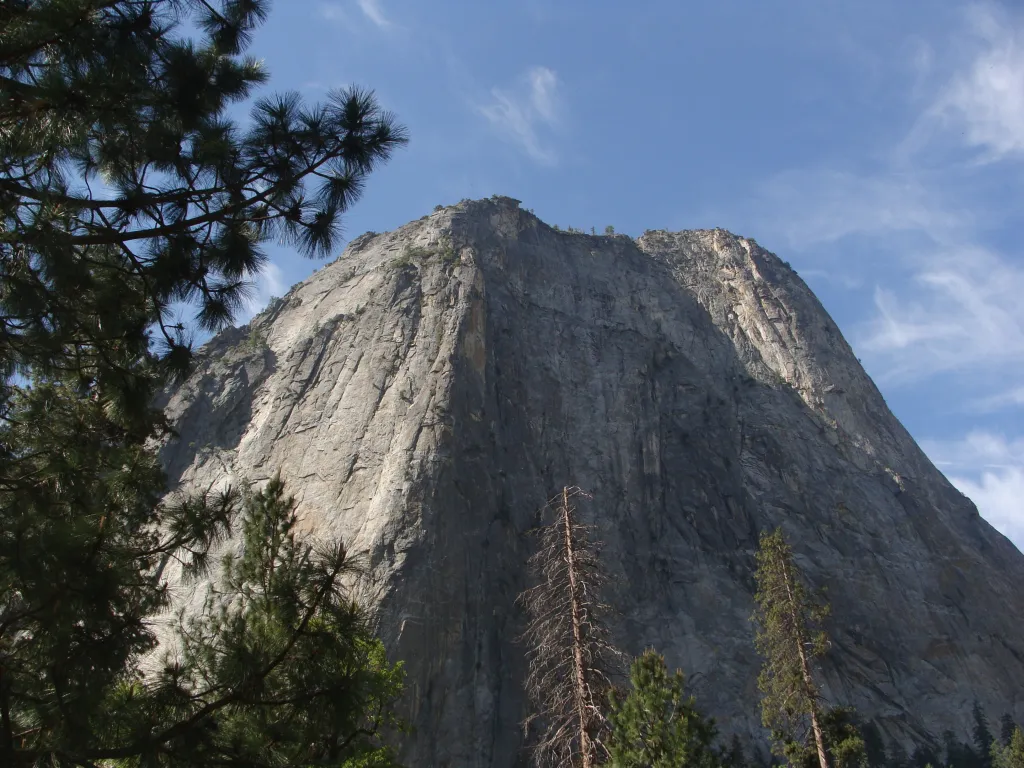
Yosemite