Amercanist Forum

""

Americanist Dinner Forum: The AMCS Colloquium Series

The Americanist Dinner Forum is a flagship intellectual event for the AMCS community.  Each semester AMCS features a new speaker or speakers, exploring a topic relevant to American Culture Studies through different mediums, including formal lectures, roundtables and panels, and informal workshops with a selected reading or other materials.  

Past Americanist Dinner Forums

WUSTL Shield, decorative

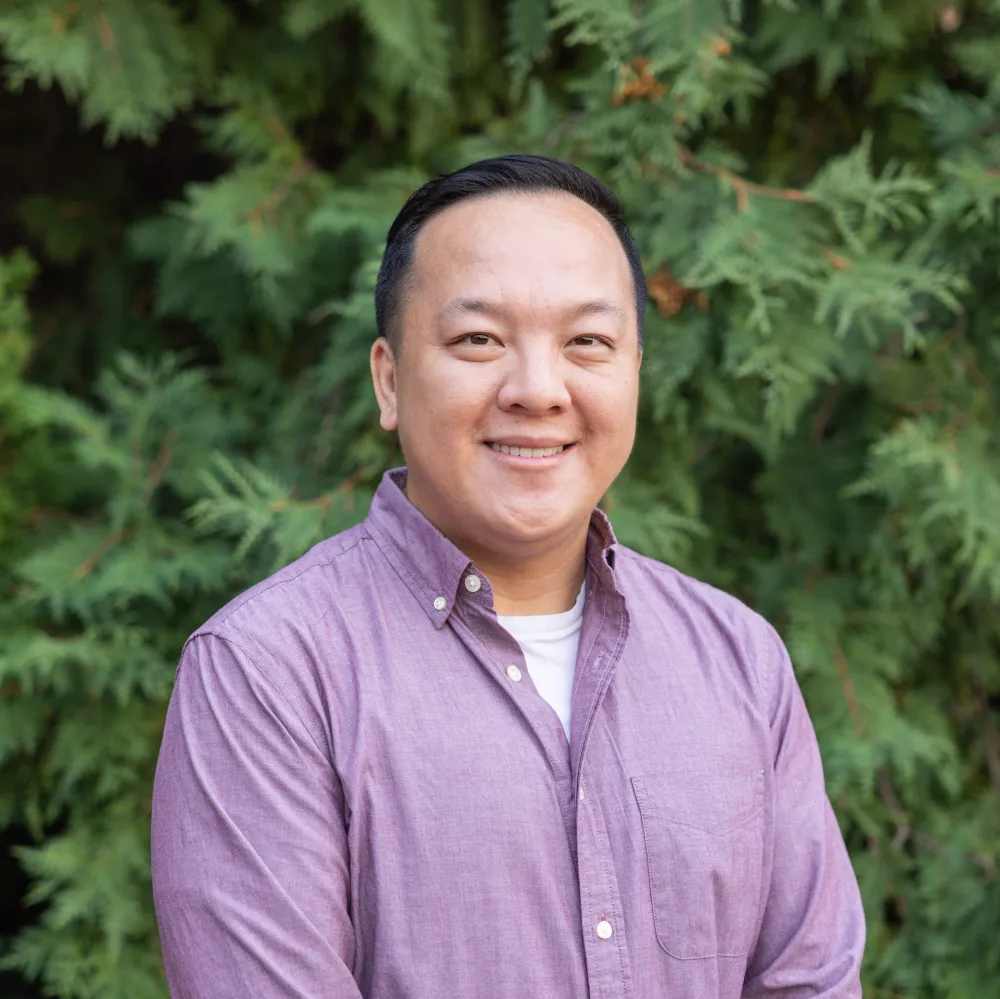
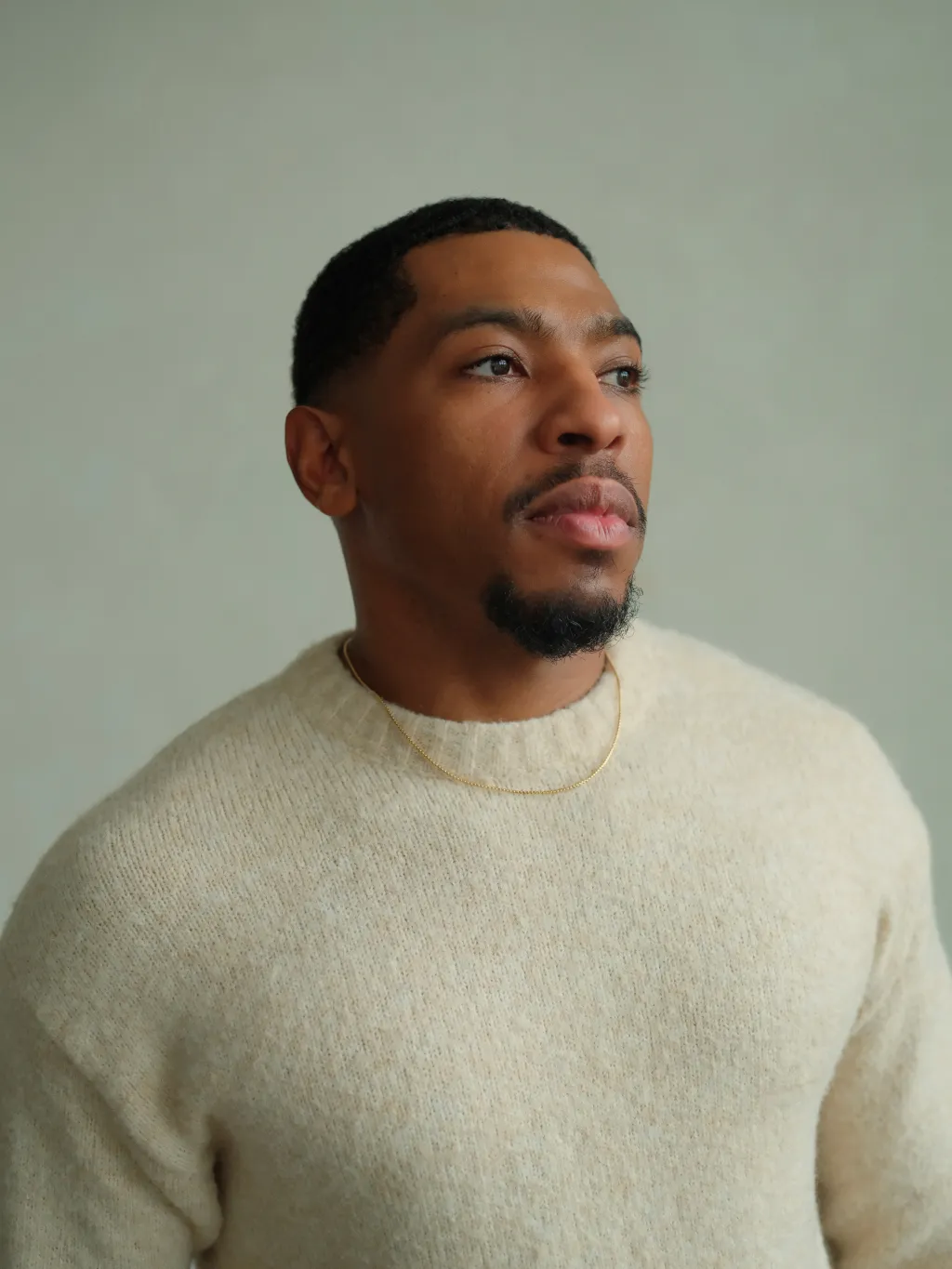
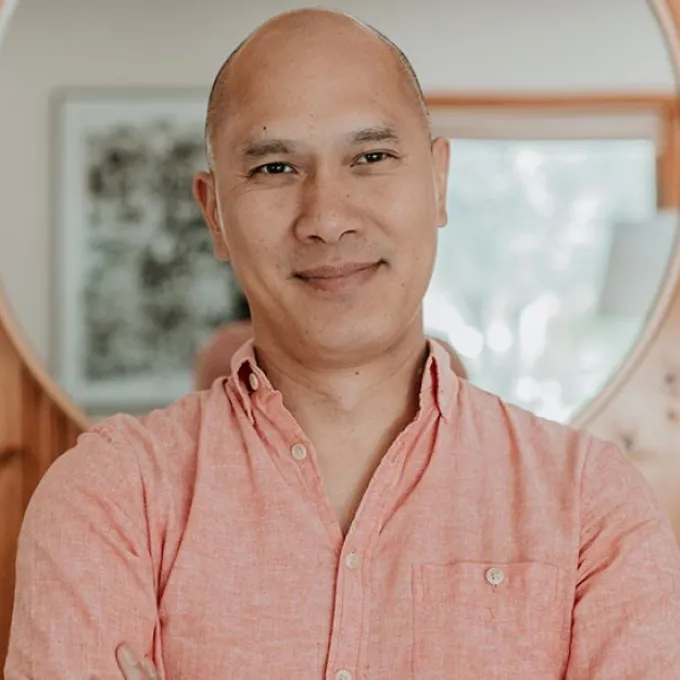
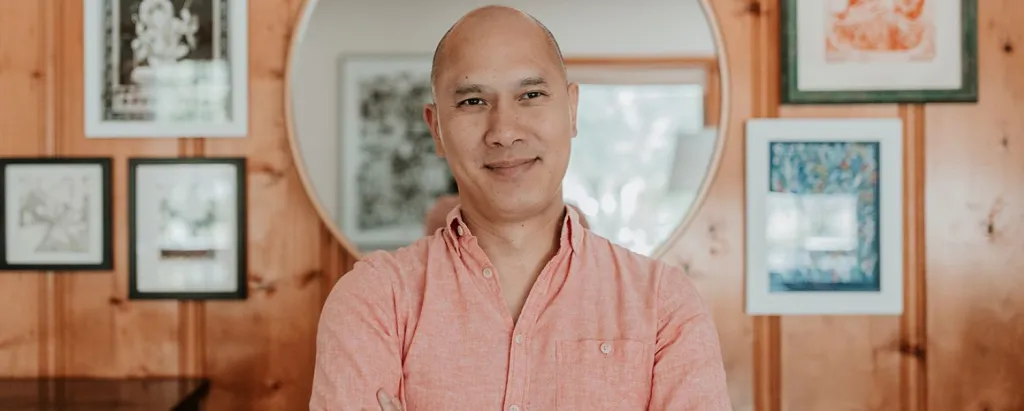
Americanist Dinner Forum with Dr. Kong Pha - Sexuality, Belonging and Race Among Asian Americans in the Midwest

Do Asian Americans belong to the Midwest? What are their unique experiences and politics of life here?
Specifically, what are the unique experiences of Hmong Americans in the state of Minnesota? This forum will celebrate Dr. Kong Pheng Pha’s 2025 book Queering the Hmong Diaspora: Racial Subjectivity and the Myth of Hyperheterosexuality to highlight how Hmong American activism has been key to restructuring racial, gender, and sexual formations in the Midwest. Engaging questions of race, citizenship, belonging, and resistance, the discussion also positions Minnesota as a key regional, national, and global site of political struggle shaped by Hmong American movements for justice.

Join us for Dr. Kong Pheng Pha’s talk and an invigorating conversation with Dr. Rene Esparza from Women’s Gender and Sexuality Studies at WashU and the author of another 2025 sensational book situated in the Midwest, From Vice to Nice: Race, Sex and the Gentrification of AIDS.

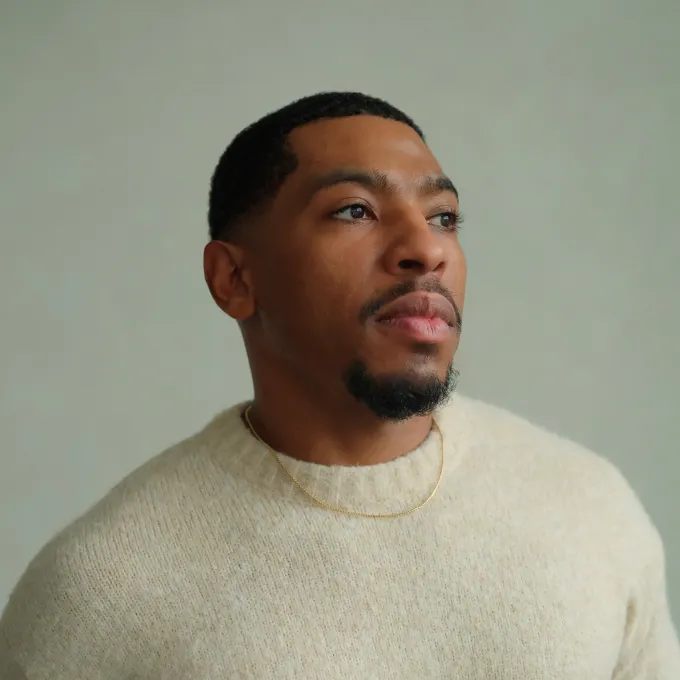
Americanist Dinner Forum with Distinguished Visiting Scholar Dr. Jarvis Givens

All are invited for dinner and conversation with Dr. Jarvis Givens.
Jarvis R. Givens is a professor of Education and African & African American Studies at Harvard University, and he specializes in 19th and 20th century African American history and theories of race, power, and schooling. Professor Givens is the author of three books, American Grammar: Race, Education, and the Building of a Nation, published by Harper in 2025, School Clothes: A Collective Memoir of Black Student Witness, published by Beacon Press in 2023, and Fugitive Pedagogy: Carter G. Woodson and the Art of Black Teaching, published by Harvard University Press in 2021. He is also completing a fourth book entitled I’ll Make Me a World: The 100-Year Journey of Black History Month which will be released by Harper in February 2026.

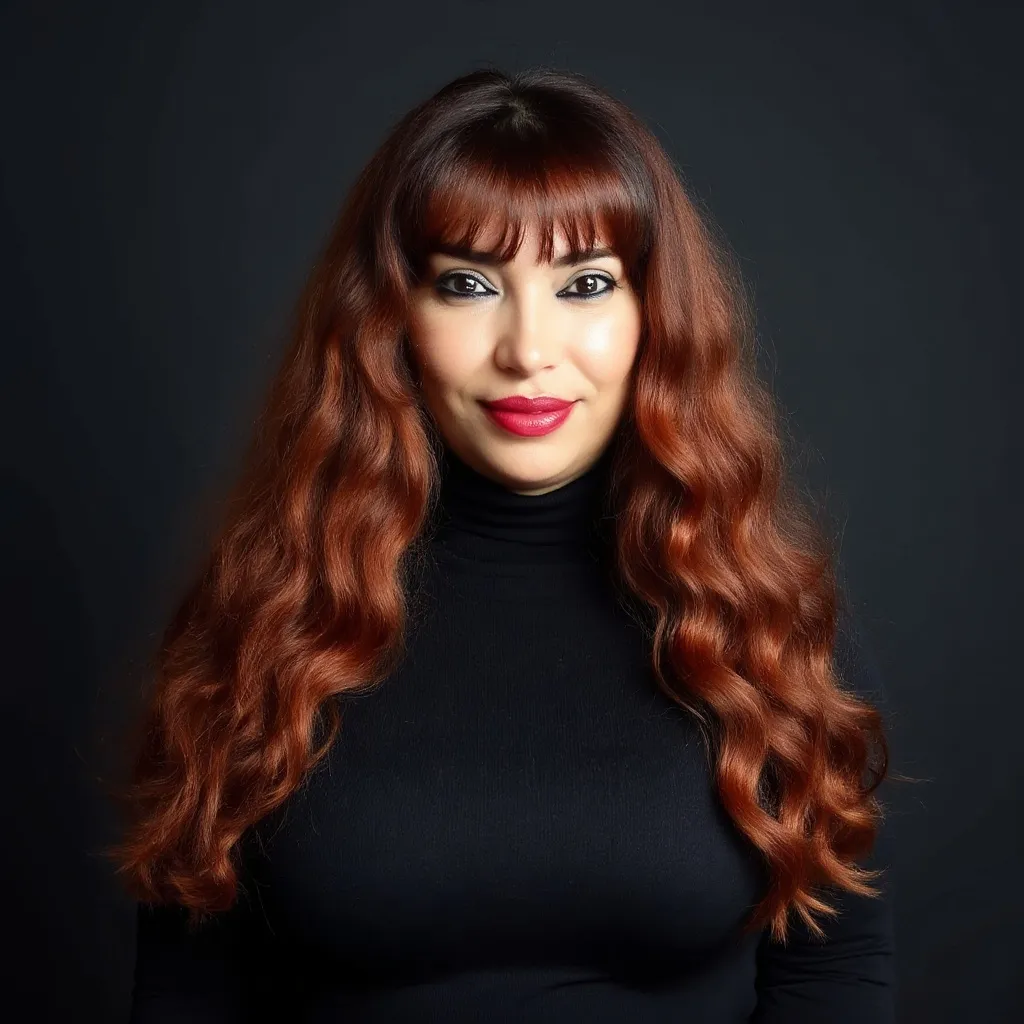
Americanist Dinner Forum: An Evening with Dr. Tashima Thomas

Edible Extravagance: The Visual Art of Consumption in the Black Atlantic explores visual consumption’s intersection with art and culture while expanding notions of racial blackness from a diasporic perspective. This talk will focus on how sugar, bananas, cacao, and pineapples are just a few examples of how food, art, and visual culture informed global appetites and shifted artistic production.

Tashima Thomas is an art historian, gastronome, curator, and cultural critic. She currently serves as Assistant Professor of Art History at Southern Methodist University specializing in the art of the African Diaspora. She received her PhD in Art History from Rutgers University and focuses on food pathways, visual and material culture, racial formation, Afro-Gothic as an aesthetic and theoretical framework, and the environmental humanities. Her book manuscript Edible Extravagance: The Visual Art of Consumption in the Black Atlantic is under contract with SUNY Press, The Afro-Latinx Futures Series. Her work has been published in peer-reviewed journals, exhibition catalogues, and edited volumes.

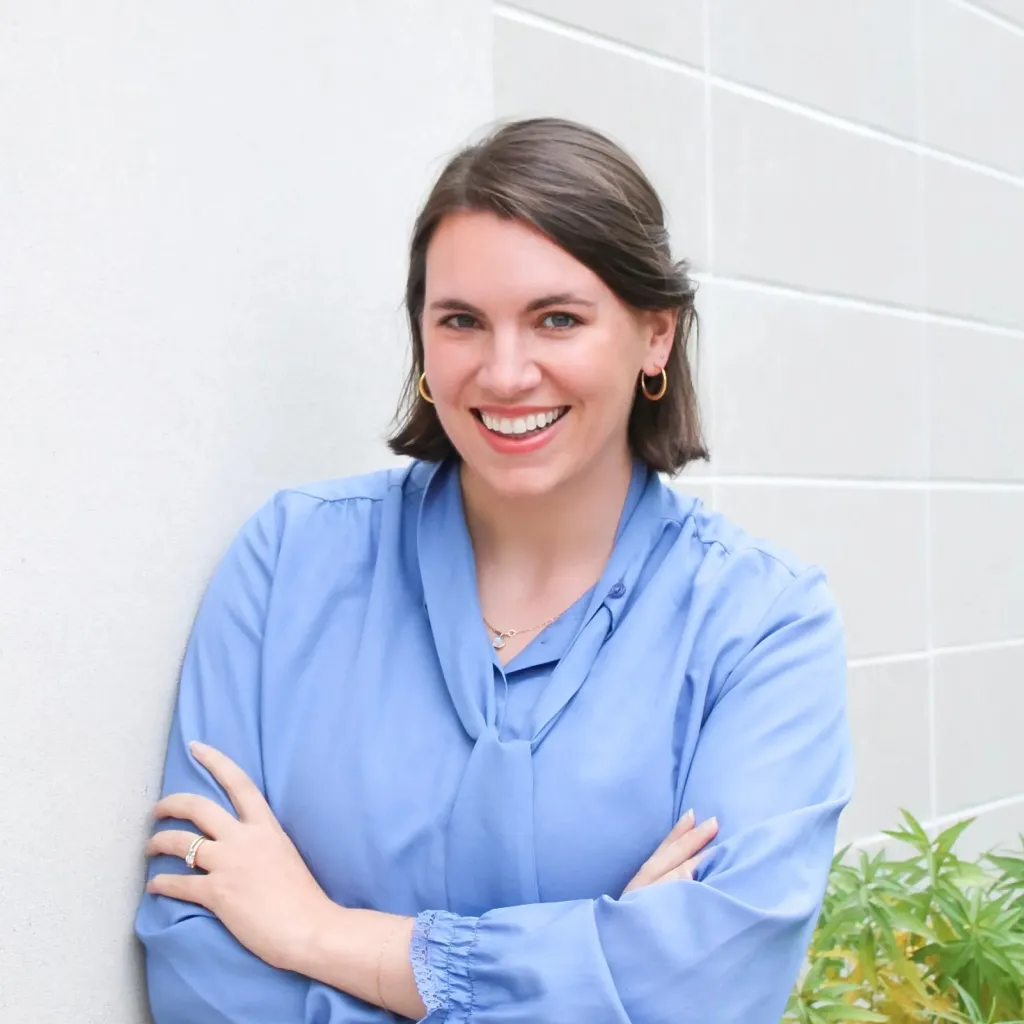
Americanist Dinner Forum "Doc Du Jour" with Brooke Eastman

"Document Du Jour" Dinner Forum is an opportunity for an AMCS graduate student to present an intriguing or puzzling document or artifact from their dissertation research - one that will be of wide interest to Americanists across disciplinary lines - and to puzzle through it with colleagues.

Americanist Dinner Forum with GB Tran

Cartoonist GB Tran was born in South Carolina after his family fled Vietnam in the final days of the war. His graphic memoir Vietnamerica (Villard 2011) was selected by Time Entertainment as one of the “Top 10 Graphic Memoirs of All Time”, awarded the Society of Illustrators Gold Medal in Sequential Art, and Eisner Award nominee for “Best Reality Based Work.”
During his cartooning career, he’s been awarded a Nonfiction Literature Fellowship from the New York Foundation for the Arts, an artist fellowship from Civitella Ranieri, and most recently an AAPI Civic Engagement Fund grant for his 2024 project VotingTogether.com. After 20 years in Brooklyn and the Bay Area, he now lives in a tiny Arizonan mountain town with his wife and kids where he designs graphic novels and teaches in the California College of the Art’s low residency MFA Comics program by day, and continues making comics by night.

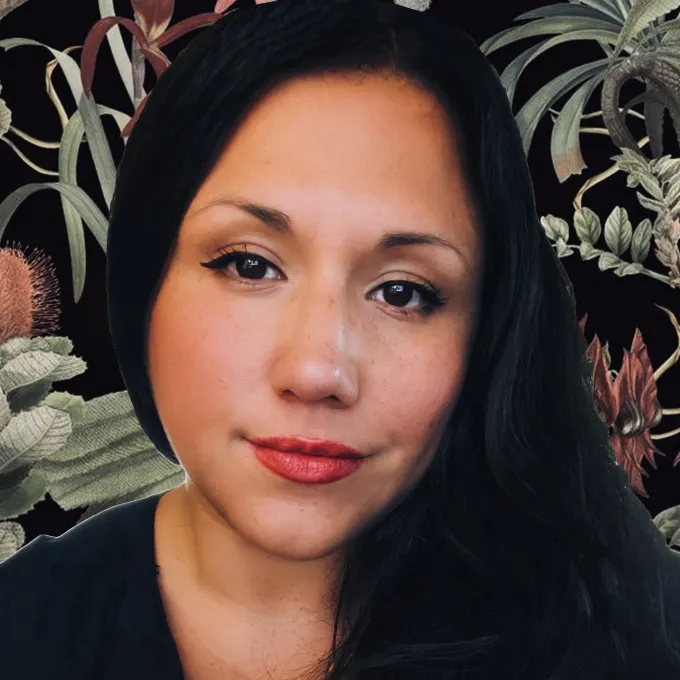
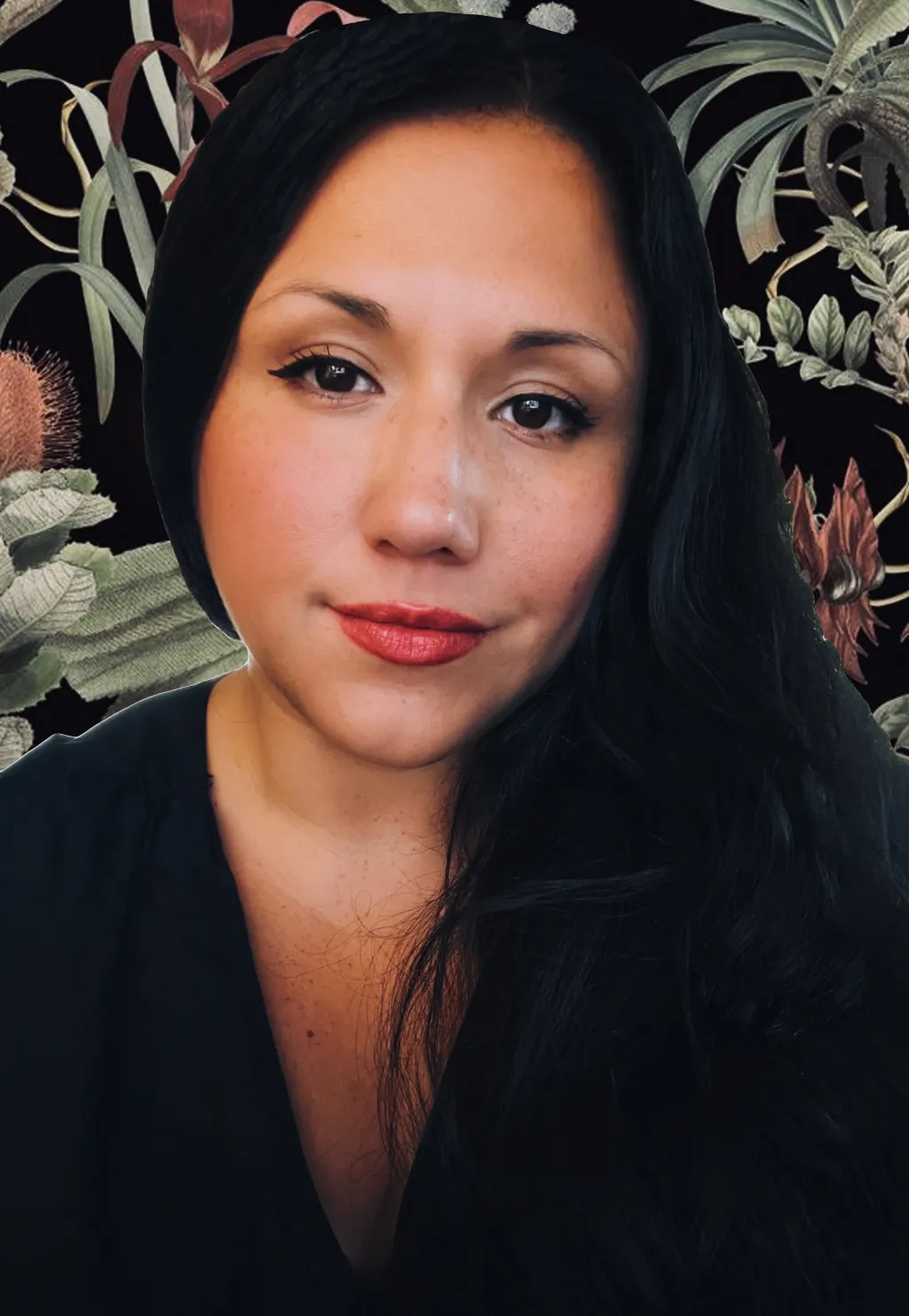
Americanist Dinner Forum with Vanessa Angélica Villarreal

Vanessa Angélica Villarreal is a poet, essayist, and first-generation Mexican-American born in the Rio Grande Valley and raised in Houston, Texas. Formerly labeled an at-risk youth and expelled from the Texas public school system, she is the first in her family to graduate high school, the first to attend college, and the first to graduate with an advanced degree. She earned her MFA from the University of Colorado at Boulder, and a doctorate in English Literature and Creative Writing at the University of Southern California in Los Angeles, where she lives with her son and her black shelter shepherd, Rumi. Her areas of study are decolonial and critical race theory, memory studies, Black and indigenous ecologies, affect theory, queer phenomenology, popular culture and media studies, speculative nonfiction, critical fabulation, visual and documentary poetics, and transnational/transborder feminisms, engaging discourses on borders and the affective geographies of memory and fantasy. Read more about her work below.

"The U.S. Immigration Crisis in Broader Perspective"

A roundtable with Lisa Lowe, Samuel Knight Professor of American Studies at Yale University, in conversation with Adrienne Davis (Law), Ignacio Sanchez-Prado (Romance Languages), and Ariela Schacter (Sociology). As the Trump administration constructs immigration as a state of emergency and violently shapes the lives of thousands of migrants, it is easy to limit our attention to these urgent political concerns. But the focus on migrant children and families and the U.S.-Mexico border can obscure the bigger picture of longer unfolding and broader crises of migration that affect multiple racial groups and link the U.S. with many regions of the world. This roundtable contextualized the Trump era crisis in global, multi-racial, and historical perspectives, placing it within the systems of state policy, citizenship, empire, and global capital of which it has been a part.

"Incarceration and Justice"

This forum focused on timely issues related to incarceration and justice, including voting rights and prison education projects. The panelists also discussed different methods for conducting research and activism within prisons. The panelists were Karishma Furtado (Brown School of Social Work), Aaron Griffith (John C. Danforth Center on Religion and Politics), and Cyrus O'Brien (John C. Danforth Center on Religion and Politics).

"Sport and the Black Freedom Struggle in California: A View from the Ballpark"

Frank Guridy, a professor of history at Columbia University, presented work that examines the continuities in black athletic activism from the 1960s until the present. Drawing from his research on sport and black communities in California, he illustrated how black athletes and spectators have made sporting spaces, such as stadiums, their own, even when they were designed for other purposes. In this way, the presentation highlighted the centrality of sport to African American community formation. The presentation also explored the possibilities and limits of visual sources, especially videos posted on YouTube, for historical research.

"Rubber Games: Industrial Athletics and the Goodyear Company"

Throughout much of the twentieth century, company-sponsored athletic programs were central to the landscape of American sports. Conceived as mechanisms for labor discipline and company loyalty as well as positive public relations, industrial sports figured prominently in workplaces and communities across the United States. This talk by Dan Gilbert, a historian of sports from the University of Illinois Urbana-Champaign, examines a particularly robust and revealing case study in the development of American industrial sports—the athletic programs of the Goodyear Tire and Rubber Company, based in Akron, Ohio.

"Materiality"

As “materiality” has become a key topic in the humanities and social sciences, this panel attended to the meaning and force of material forms—objects, artifacts, archives, structures—in historical processes and cultural dynamics and dynamics of power and inequality. It examined and provoked discussion of how scholars are grappling with new and exciting questions about material culture, environments, media, bodies, and politics and the materialities (and absences and erasures) that structure archives, landscapes, and worlds.

"The Sonic Chaos of Memory: A Conversation with Alison Rollins"

Born and raised in St. Louis, Alison Rollins is an acclaimed educator, librarian, and poet. Her poetry explores issues of race, culture, and identity, including the city’s racial landscape, and has won numerous awards, including the 2016 Ruth Lilly and Dorothy Sargent Rosenberg Poetry Fellowship from the Poetry Foundation, and second prizewinner of the 2016 James H. Nash Poetry contest. Her poems have appeared in American Poetry Review, Hayden’s Ferry Review, Meridian, Missouri Review, The Offing, Poetry, The Poetry Review, River Styx, Solstice, Tupelo Quarterly, and Vinyl. For this forum, Rollins presented and discussed poems on historical understandings of memory and issues of trauma, materiality, bodies, and race. The forum discussant, Aaron Coleman, a PhD student in the Comparative Literature Program's Track for International Writers at Washington University, is the author of the chapbook, St. Trigger, which won the 2015 Button Poetry Prize, and a full-length collection, Threat Come Close. His poetry has won many awards and appeared in Boston Review, Fence, and New York Times Magazine.

"The National Caricature: America in H.L. Mencken's Satirical Journalism"

Di Wang, an AMCS graduate Harvey Fellow in Comparative Literature, focused a discussion around a set of newspaper articles written by H.L. Mencken: "America Produces a Novelist" (1916), "Mark Twain's Americanism" (1917), "The American" (1918), "Star-Spangled Men" (1920), and "The Land of the Free" (1921). These pieces reflect Mencken's unique brand of wit and satire, and speak as much to the politics of satire in his age as contemporary expressions of satire in a "post fact" world, as seen in satirical comedy shows on television.

"Excavating Operatic Gentrification: Sound 'Resources,' Intertextual Urban Spaces, or Neocolonialism?"

Megan Steigerwald Ille, American Culture Studies Postdoctoral Fellow in Digital Cultures, presented her research on new developments in opera in the United States.

Performed in limousines, under bridges, and on top of buildings across L.A and transmitted by audience members via livestream, The Industry's opera Hopscotch (2015) challenges conventions of operatic spectatorship and place. Although reviewers of the opera positioned works like Hopscotch as a panacea to bourgeois stereotypes of the operatic genre—a move out of the inaccessible house and into the space of the street—these works are far from utopian for all spectators. In fact, anti-gentrification protests organized by Serve the People LA (STPLA) in Hollenbeck Park disrupted multiple performances of Hopscotch.
While director Yuval Sharon deliberately staged the Hollenbeck Park scene in a way that was meant to reflect the surrounding neighborhood, some onlookers interpreted this choice as a sign of neocolonialist appropriation and aggression. The protests reveal that for some, alternative works are mediated not only by genre, technology, and place, but also by whiteness, class, and questions of access. Steigerwald Ille discussed conflicting interpretations of the Hollenbeck Park performances and notions of gentrification, mobility, and the experience economy more broadly.

"Policing Sexuality"

Dr. Pliley led a discussion focused on an original document from the FBI archives relating to investigations of alleged sex work in New York City in the 1930s.

"Hemispheric American Culture Studies in the Trump Era"

This forum explored contemporary and historical perspectives on immigration, borders, transnationalism, American power, mass media, and racialized and gendered valences of authoritarian politics across the United States and Latin America. The guest was John Patrick Leary, a professor of English at Wayne State University, and the discussant was Sunita Parikh (Political Science).

"Material Culture, Religion, and Politics in Early America"

Objects enable the social world to happen, and we need to pay attention to what objects do and how they work, observed the historian David Jaffee. Religion and politics are undeniably central to the social world of early America, and objects enabled the happening of religious and political cultures in terms of their theory, practice, and imagination. A day-long panel series explored these three components of early American material culture—theory, practice, and imagination. And the discussion culminated in the American Forum, bringing together an interdisciplinary group of scholars from across the country who specialize in religious studies, literature, art history, history, and American studies to discuss how attending to the material elucidates new facets of early American politics and religion. The discussant facilitators were Phillip Maciak (Film and Media Studies) and Caroline Wigginton, Assistant Professor of English at the University of Mississippi.

"Centennial: Remembering the 1917 East St. Louis Massacre"

This panel is a Centennial event commemorated the 1917 massacre in East St. Louis. We looked at the history of this program, as one notable historian has called the event, which occurred over several months and resulted in the deaths of hundreds of black residents in the city. While exploring the galvanizing social and political factors that surrounded the violence, this panel also considered its significances for the racial landscape of the city and the region, explores active struggles to remember the massacre in artistic and cultural projects and work, and examined vital connections to racial issues that define the current moment.

"The Politics of Clothing: Critical Perspectives on Fashion and Race"

What we wear says a lot about who we are, the articulation of complex identities, and the framing of diverse forms of embodiment and style. This panel explored the cultural politics of clothing and fashion, and especially the racial elements involved in how the adornment of bodies speaks to issues of power and resistance. Panelists brought a range of interests to the table, including thinking critically about the fashion industry, involvement in fashion design and artistic work, and engaged with crucial questions about how clothing factors into the historical and contemporary racial politics of America.

"Bob Hansman's 'Pruitt-Igoe:' An American Culture Studies Panel Discussion"

This discussion engaged Bob Hansman's book in the Images of America series, Pruitt-Igoe, an innovative photo essay focused on a central site of mid-20th-century African American and American life, death, and creative struggle. The book features a host of never-before-seen images of everyday existence at Pruitt-Igoe. Through these images, it narrates a complex history, and more important, it attempts to do justice to its historical subjects, members of our community, for whom the past is not dead, it's not even past. Along with comments from Bob Hansman (Sam Fox School of Design & Visual Arts), the discussion featured responses from Douglas Flowe (History), Margaret Garb (History), and Patricia Heyda (Sam Fox School of Design & Visual Arts). The panel discussed the process of creating a historical photo essay, the "politics" of writing the book, and questions of "who owns history."

"Between American Culture Studies and Latinx Studies"

As the field of Latinx Studies continued to evolve, diversify, and grow across the United States, important emergences were happening at Washington University to develop initiatives in this area. This panel brought together members of the Latinx Studies community at Wash U to discuss national trends and local activities, the crucial importance of Latinx Studies for our intellectual community, and the ways in which the field speaks critically to topical issues across the contemporary political and social landscape. The also explored linkages and connections between Latinx Studies and American Culture Studies.